

Lecture Description
As global coffee consumption continues to grow, understanding how consumers perceive and evaluate different coffee products has become increasingly important. From commercial blends to specialty-grade coffees, and across diverse brewing and consumption styles, consumer response is shaped by a complex set of sensory, contextual, and behavioral factors. Traditional sensory evaluation alone cannot fully capture this complexity.
This talk introduces the range of quantitative and qualitative methods available for assessing consumer perceptions of coffee. Quantitative approaches, such as central location tests and home use tests, provide structured, data-driven insight into liking, preference, and usage behaviors. Qualitative approaches, such as focus groups and ethnography (e.g., netnography) allow for deeper exploration of motivations, expectations, and cultural influences that shape the coffee-drinking experience. When combined, these methods offer a holistic framework for understanding how consumers engage with coffees brewed in different ways, coffees consumed with additives, and even novel coffee-food pairing combinations.
Date: Friday, April 10, 2026
Time: 10:00 am - 10:45 am
Location: Room 25C
Category: Science
Access: This lecture is free to attend with a World of Coffee entry badge. Register to attend World of Coffee here.
Please note that lecture sessions are open on a first-come, first-served basis. Early arrival is highly recommended to secure your seat.
Speakers
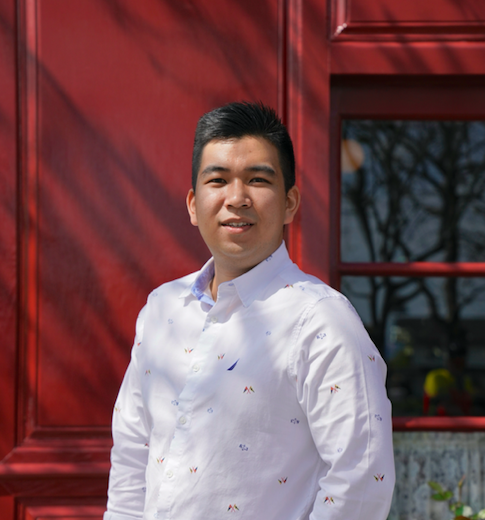
Lik Xian Lim
Post Doctoral Scholar, UC Davis
Lik Xian Lim, Ph.D. is a postdoctoral researcher at the University of California, Davis, specializing in sensory science and its application to food and beverage innovation. Since 2017, he has been a key researcher at the UC Davis Coffee Center, where his work has examined topics including water pulsing duty cycles in coffee extraction, cold brew coffee, coffee?food pairings, sensory quality and consumer behavior. Beyond coffee, his expertise extends to wine and alternative proteins. His research in wine focuses on smoke taint and mouthfeel characterization, while his work in food systems explores the sensory perception of emerging protein sources. Through an interdisciplinary approach integrating chemistry, sensory science, and consumer research, Lik applies sensory insights as a strategic driver of value creation, defining clear sensory objectives early in product development to guide formulation, experimental design, and processing decisions across coffee, wine, and food systems.